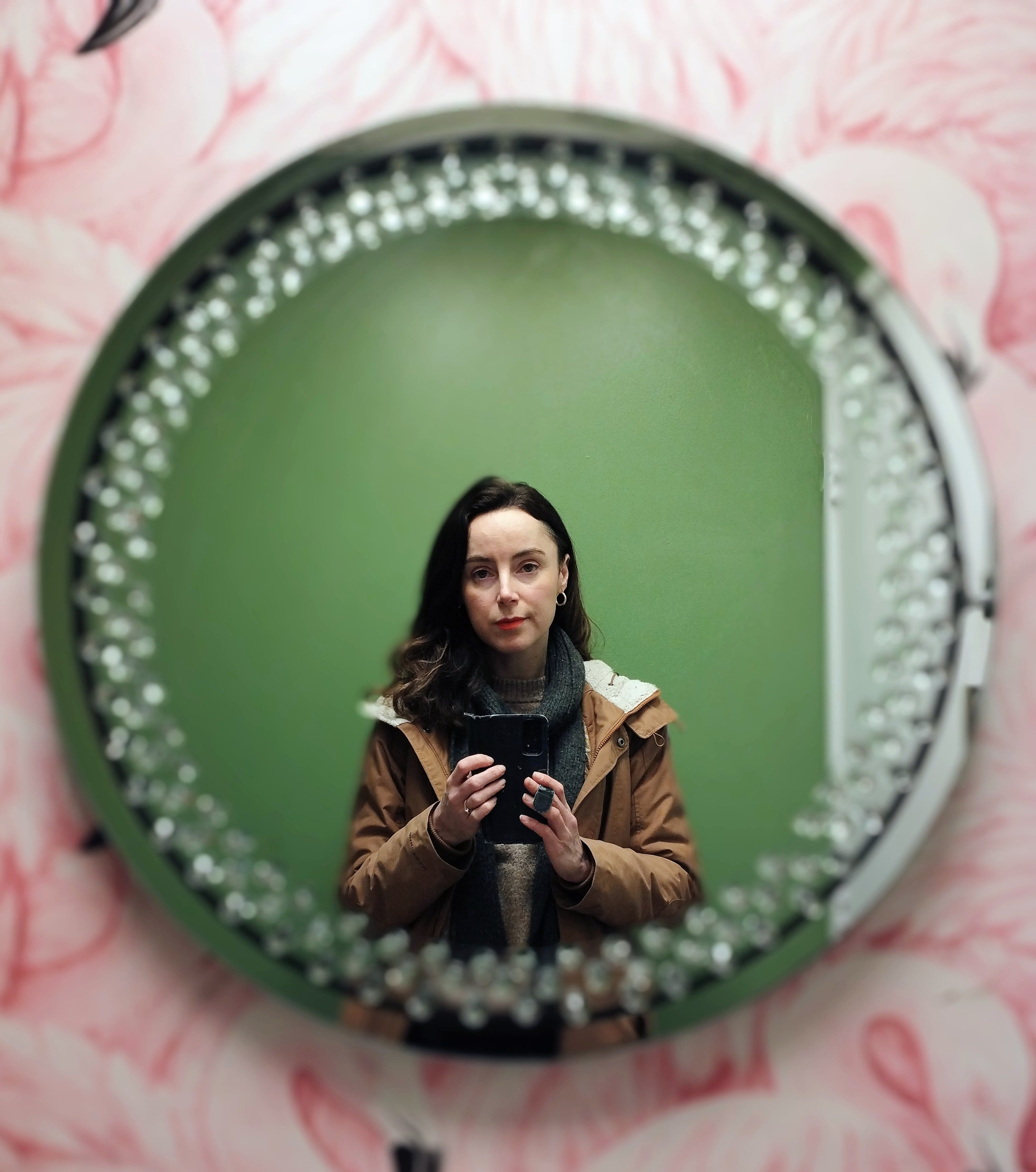
Getting off the train at Bournemouth Station, the town strikes me more as a city now when I come home. There is a beehive-like cluster around the ticket gates before we are released into the dark. I nip over to ASDA to get treats: whiskey, beer, gin, chocolate. I have it in my head to ask my mum about the photographs she took in Australia in the 1970s. She travelled there with the Catholic ministries to teach the Aboriginal people English, but once there she explored and visited different sites. She took a camera and what I consider to be wonderful pictures.
Firstly, what sort of camera did she take? Where did she get the photographs developed? Did she know what she wanted to take pictures of? Was she economical with the film? Did she ask people before taking their picture? How did they respond to a woman travelling on her own, with a camera?
But despite my intentions the shutters come down and I am only able to learn that she wasn’t fussy about what camera she used, probably an Olympus, and she developed the pictures herself when she could find a darkroom. I don’t press on; I sense the roadblock in place and I leave it. Perhaps it is best not to have all the answers and let the pictures speak for themselves. Sometimes you have to know when to quit.
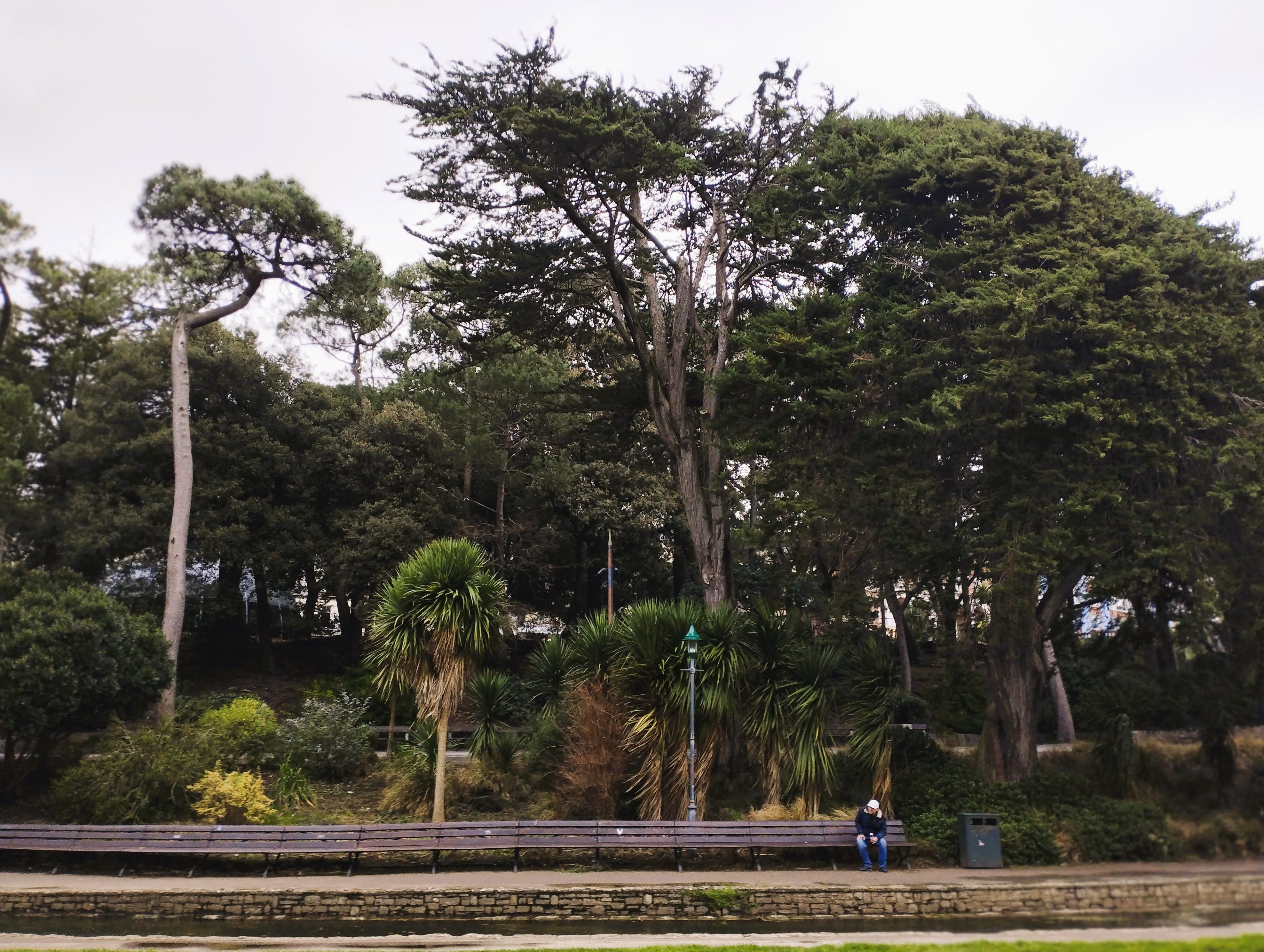
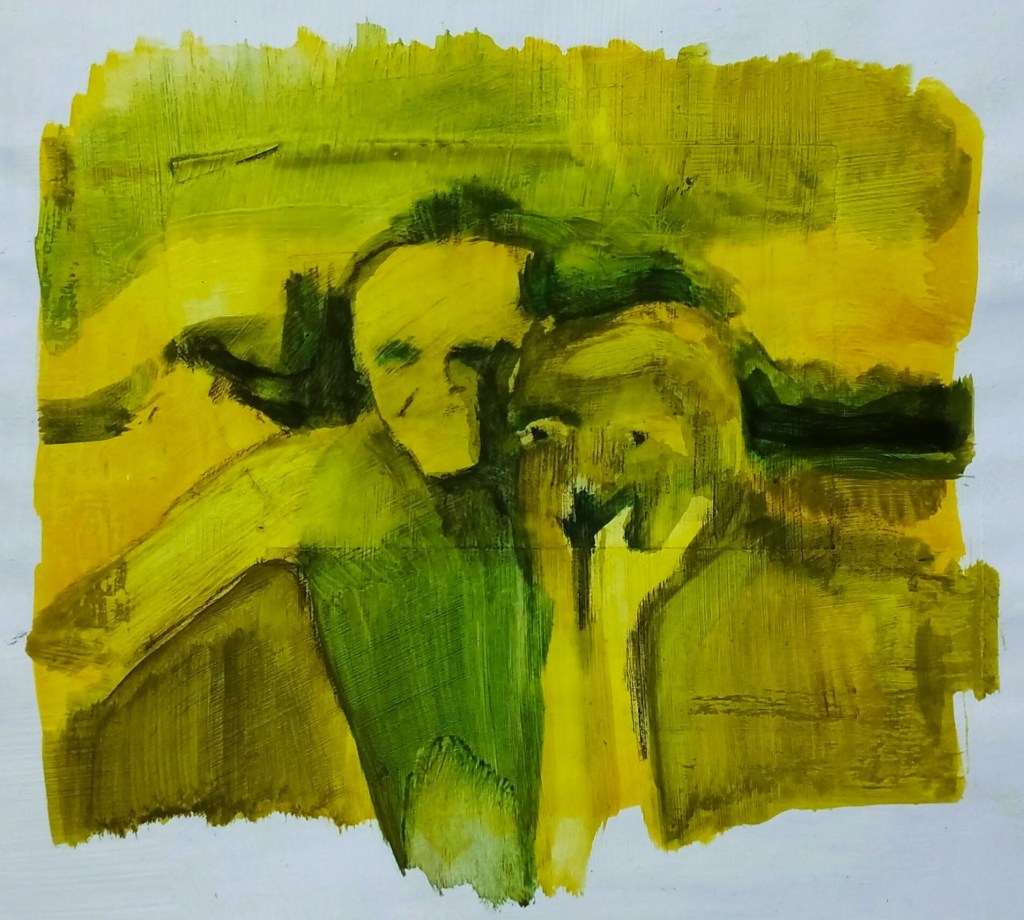
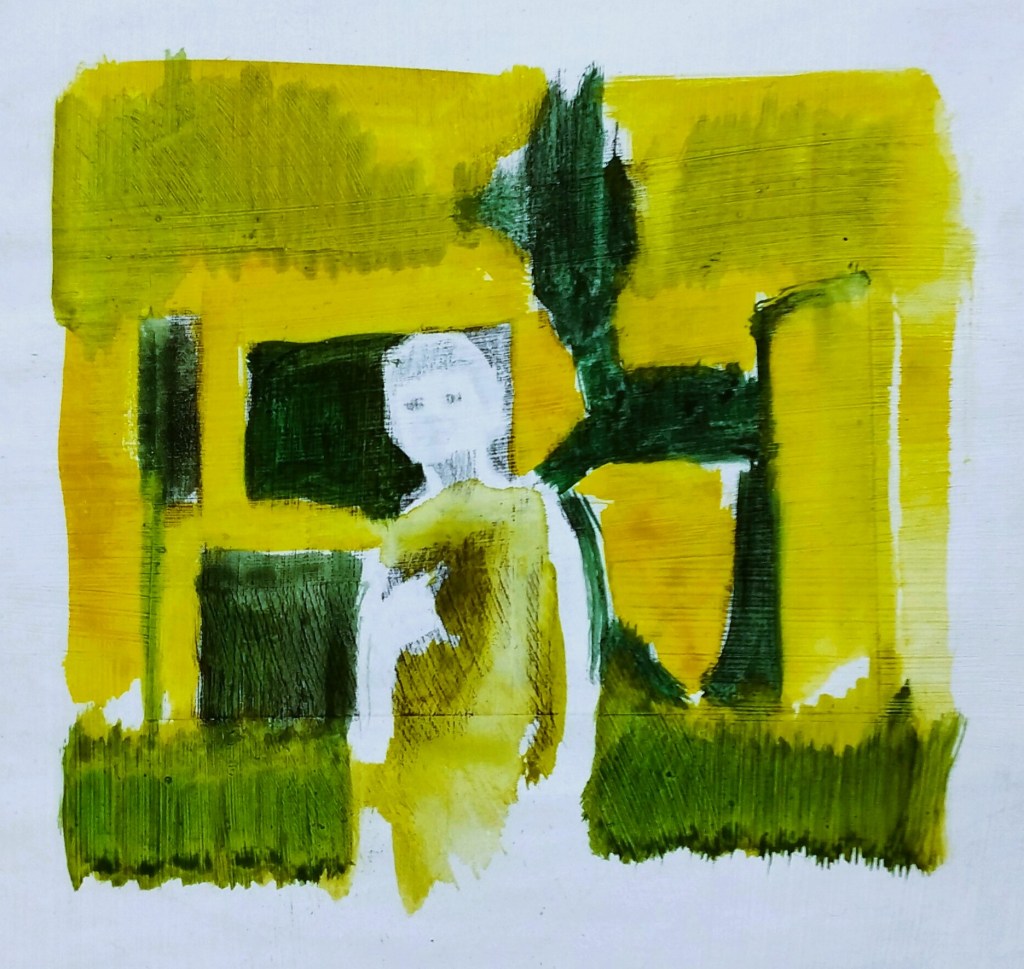
So I pull back and look elsewhere. Bournemouth is known for the prevalence of dark green pines, the ‘Maritime’ introduced in the 1800s for its ability to thrive in sandy environments. I start to think about the colour green and I use it to translate a few photographs I have to hand. There is something comforting in this process of taking possession of a photograph in this way, in a different language.
I have always loved Edvard Munch’s use of putrid greens. The Green Room paintings, rather than depicting a relaxing waiting area or function room, are a series of works which appear claustrophobic and psychologically tense. The green is pervasive and unsettling, particularly in Jealousy (1907) and Taken by Surprise (1913), where it radiates through the skin of the male subject. As a series I find them fascinating; the wallpaper alone is hypnotic. If the colour is intended to represent sickness and jealousy it is also effective at causing a sense of displacement. It is this element that interests me when green doesn’t know its place and leaks beyond its usual parameters, so it saturates the image like a swamp. So I sink in to this idea, working from the photographs to make the beginnings of what could be a series on paper: swamp paintings.
 NIKKI FOSTER
Leave a comment