The first thing I ever sat down and properly painted was a horse. I think I must have been 13. It was quite funny because I didn’t particularly like horses. On a visit to the New Forest as a younger child with my family, I broke away from them and approached a group of horses from behind. I was swiftly kicked in the shoulder and fell to the ground. The next moment my uncle quickly scooped me up and told me never to go behind a horse. He needn’t have worried because I have never ridden or even approached a horse since. Nonetheless, I took down one of my sister’s posters from Horse and Pony magazine and diligently painted this horse that was rearing up on two legs. I remember being fascinated by the mysterious process of colour mixing and building the picture, fascination merging into frustration and back again.
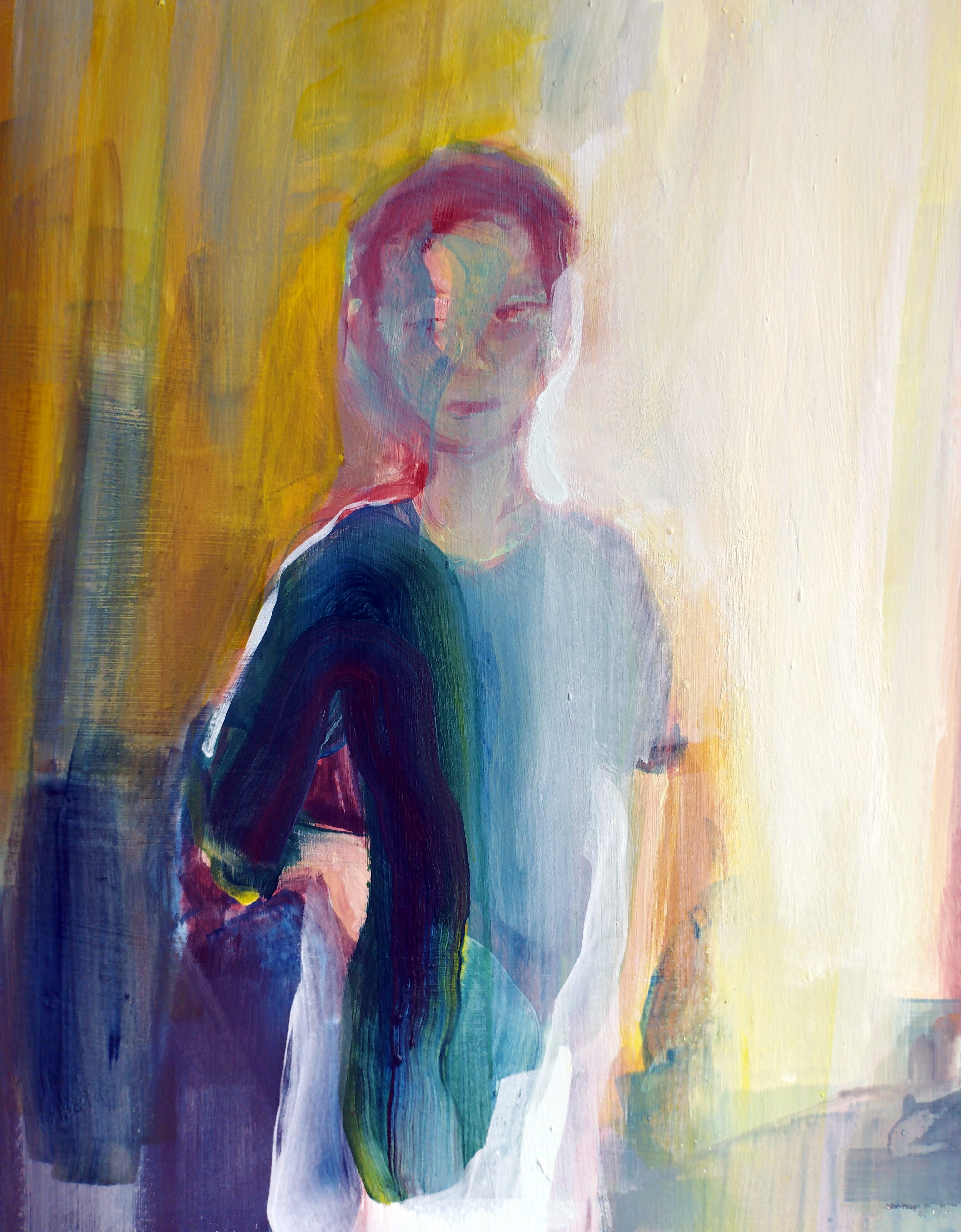
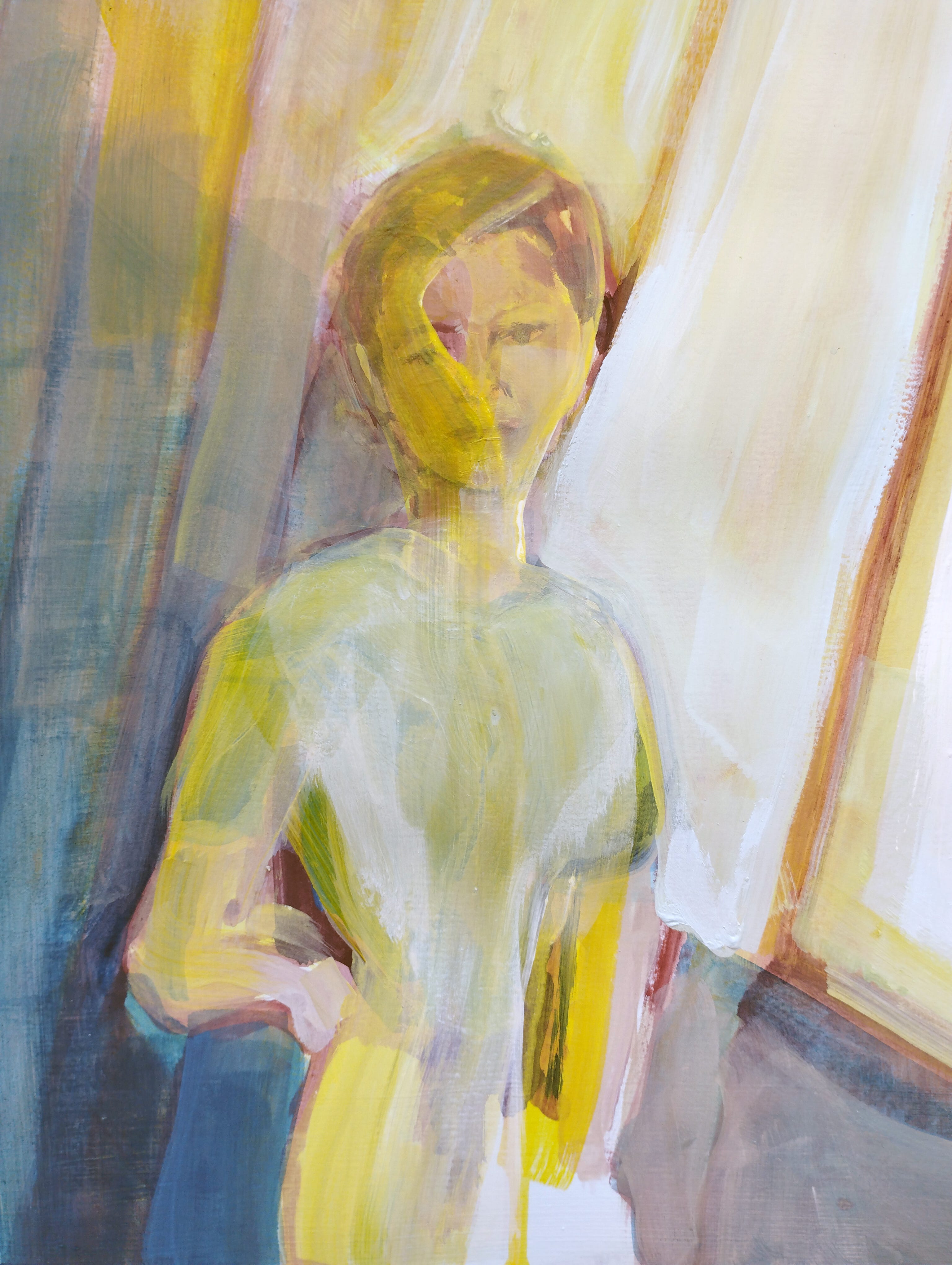
I’ve been doing a lot of painting sketches on paper. I’ve decided just to call them paintings, because they aren’t preliminary; they are it. I’m not warming up before a canvas. This week I realised I don’t really know the difference between drawing and painting. I mean, I do, conceptually, but in practice I don’t think so. When am I painting with the paint and not drawing with the paint? I think it has to do with realising the form. I stop seeing the lines and start seeing the form and the light. I’m sure an old master would tut at my confusion. Leon Kossoff has written about this, the binary in drawing and painting, how they are viewed and understood: I have never felt that I can draw and as time passed this feeling has not changed. So, my work has been an experiment in self-education. Now after all this drawing, if I stand before a vast Veronese I experience the painting as an exciting exploratory drawing in paint.
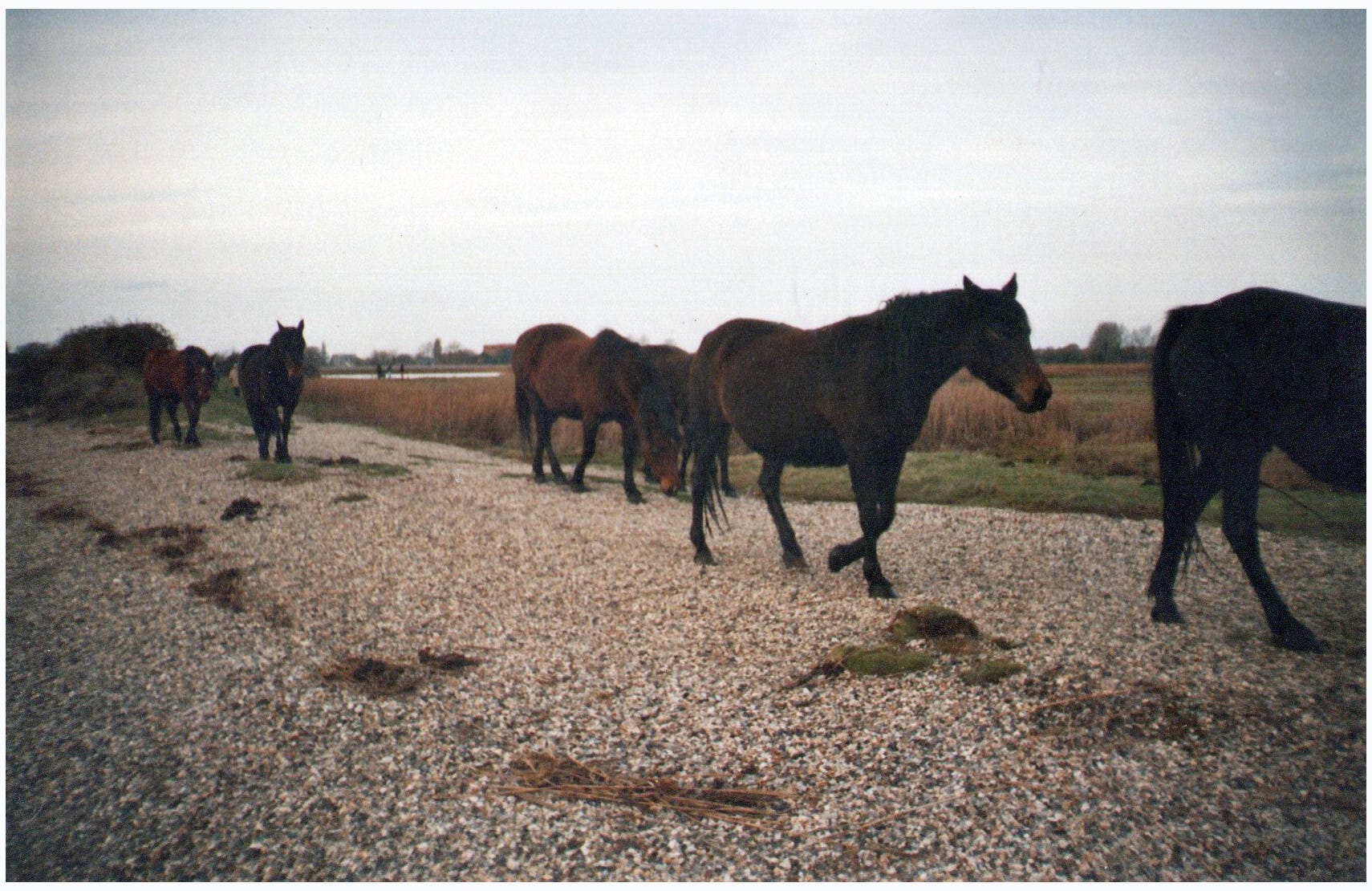
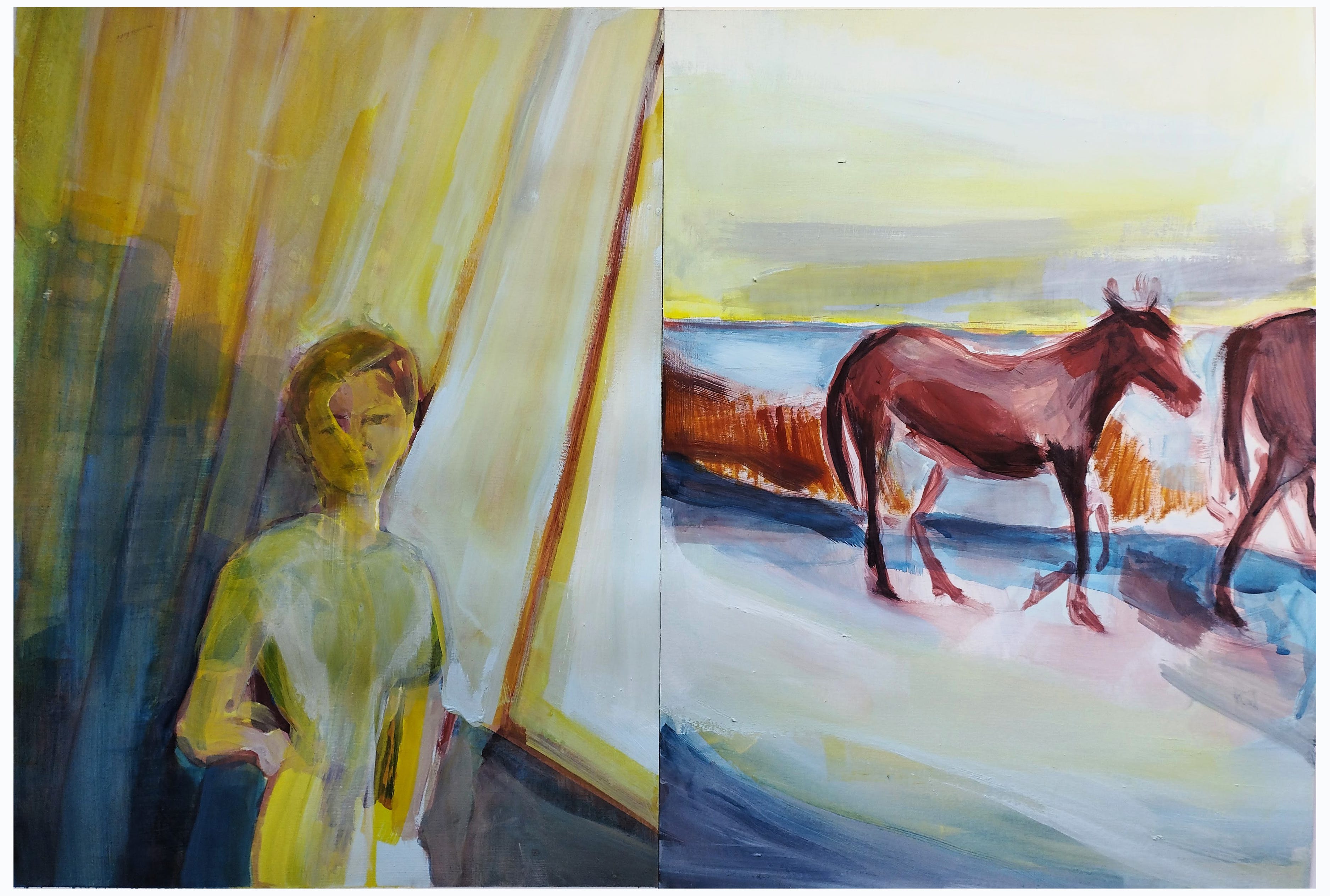
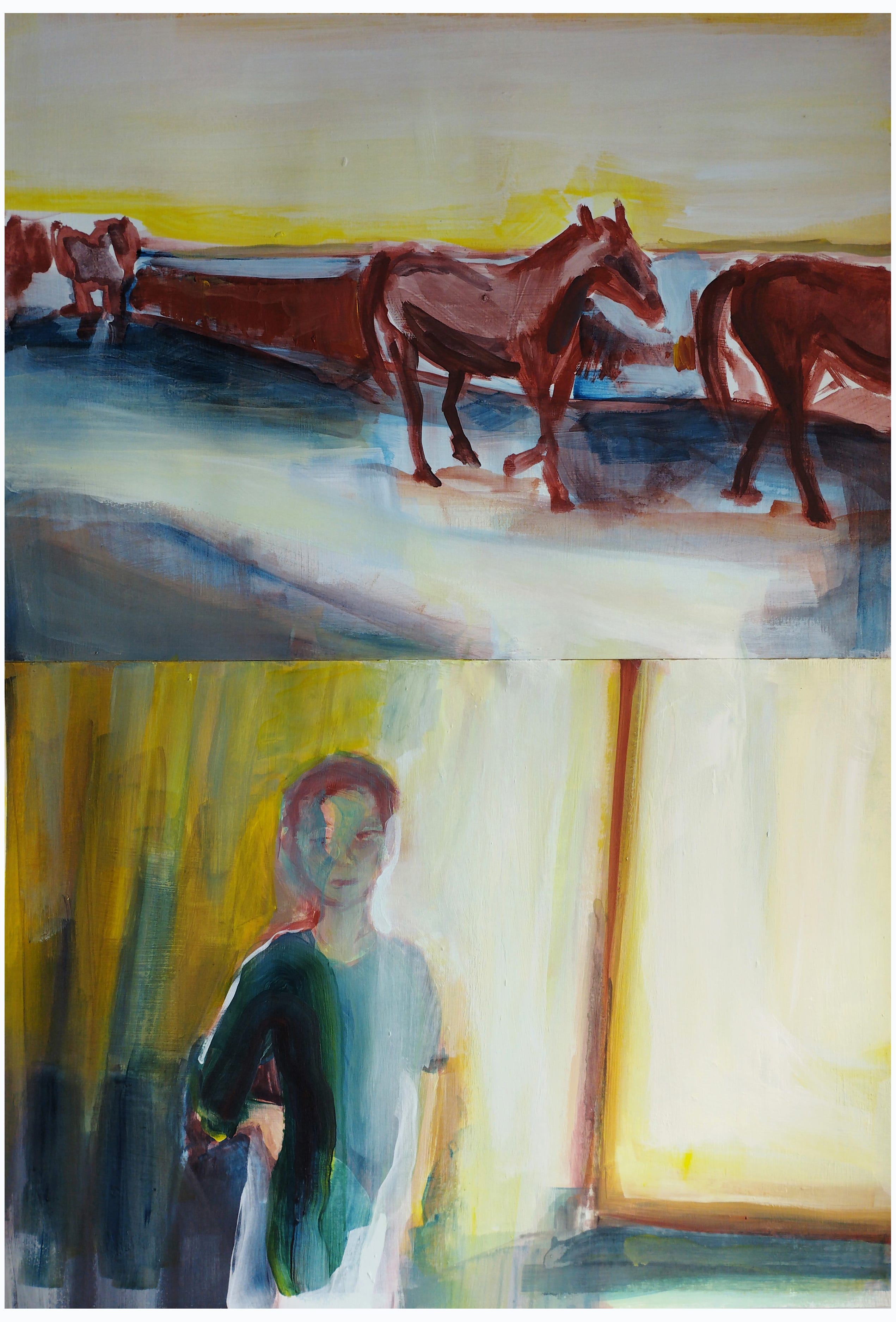
Similarly, I have always felt insecure about my drawing abilities; despite doing it from a young age, I have never been able to grasp perspective. I chose to work this week on a photograph of my 10-year-old son juxtaposed with one showing a row of horses walking. Or would you say trotting? I am interested in juxtaposing different, seemingly distant, images and placing them side by side to make a diptych. When I sat with them last night, it came to me. Oh, these aren’t distant at all. One side is my son, who wars with me for more independence, and the other is the New Forest horses, who are free to roam. It seems to make sense then that I choose to couple these photographs together, and the realisation of why would come to me through paint.
In a documentary with Alice Neel by her son, Andrew Neel, she says that for years she had to apologise for her paintings being ‘psychological, as it was considered a weakness, even though the world we live in is almost purely psychological. She expands: The greatest torture is feeling and then the self. I realised how advanced that was because the self is the greater torture. It’s like an albatross around our neck.
Alex Katz says he does initial painting sketches as blasts to remove himself from the subject, to distance himself from the personal. This is obviously what would benefit me with the work. But what surprises me, still surprises me, is that I really care about what I am doing. I see these painting sketches could be a threshold to letting go, if I let them, to acquiesce, because something is not working. I’m thinking about what my friend once said to me: go where the envy goes. Where’s the envy at? And I think what I want right now is no subject, or for it to be very ordinary, for the paint just to be paint. This time of writing and looking at the work holistically feels imminent, like it’s not just about one thing, the painting, but everything colliding.
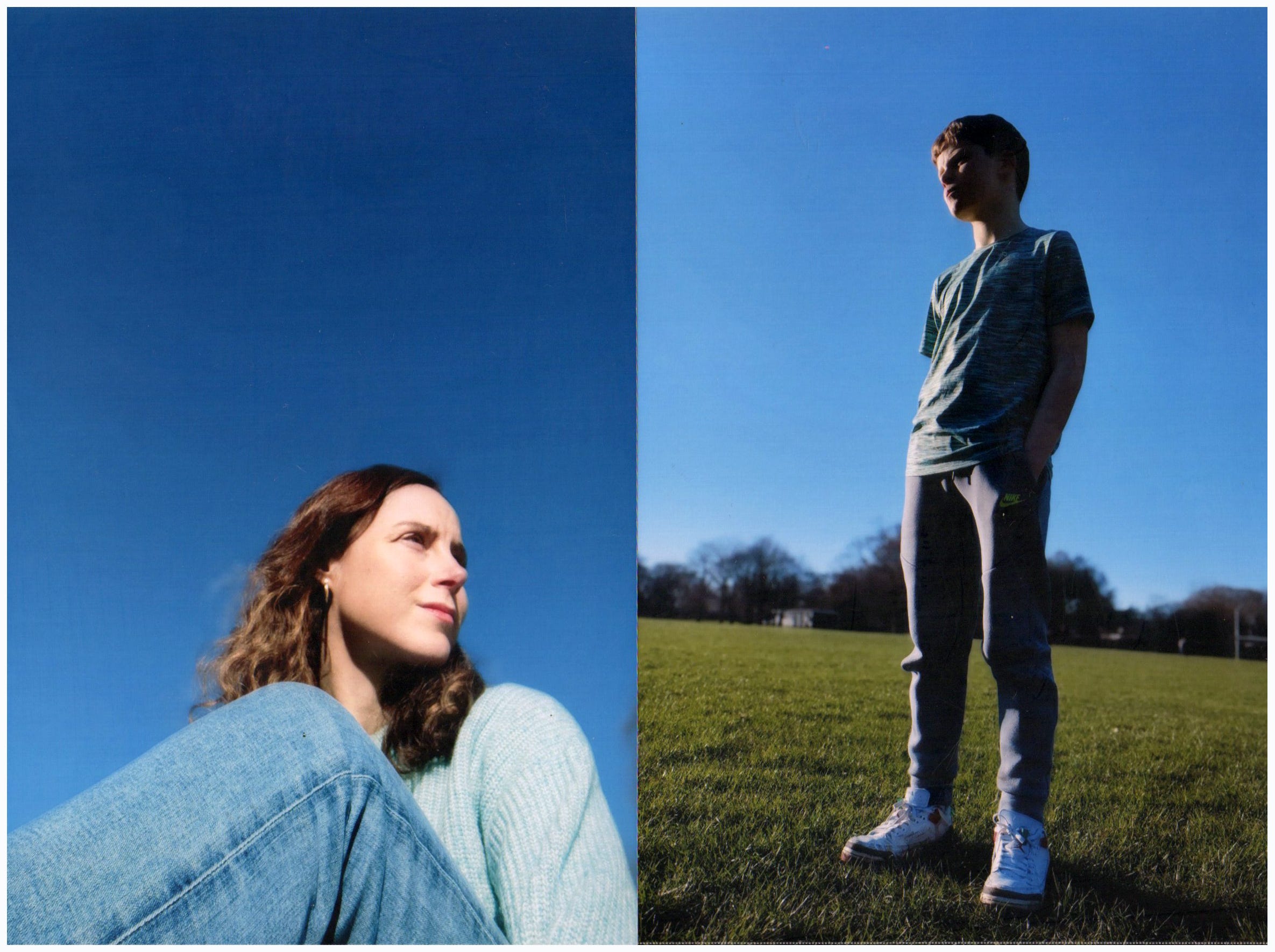
The Warring Parties and the sketches.
 NIKKI FOSTER
Leave a comment