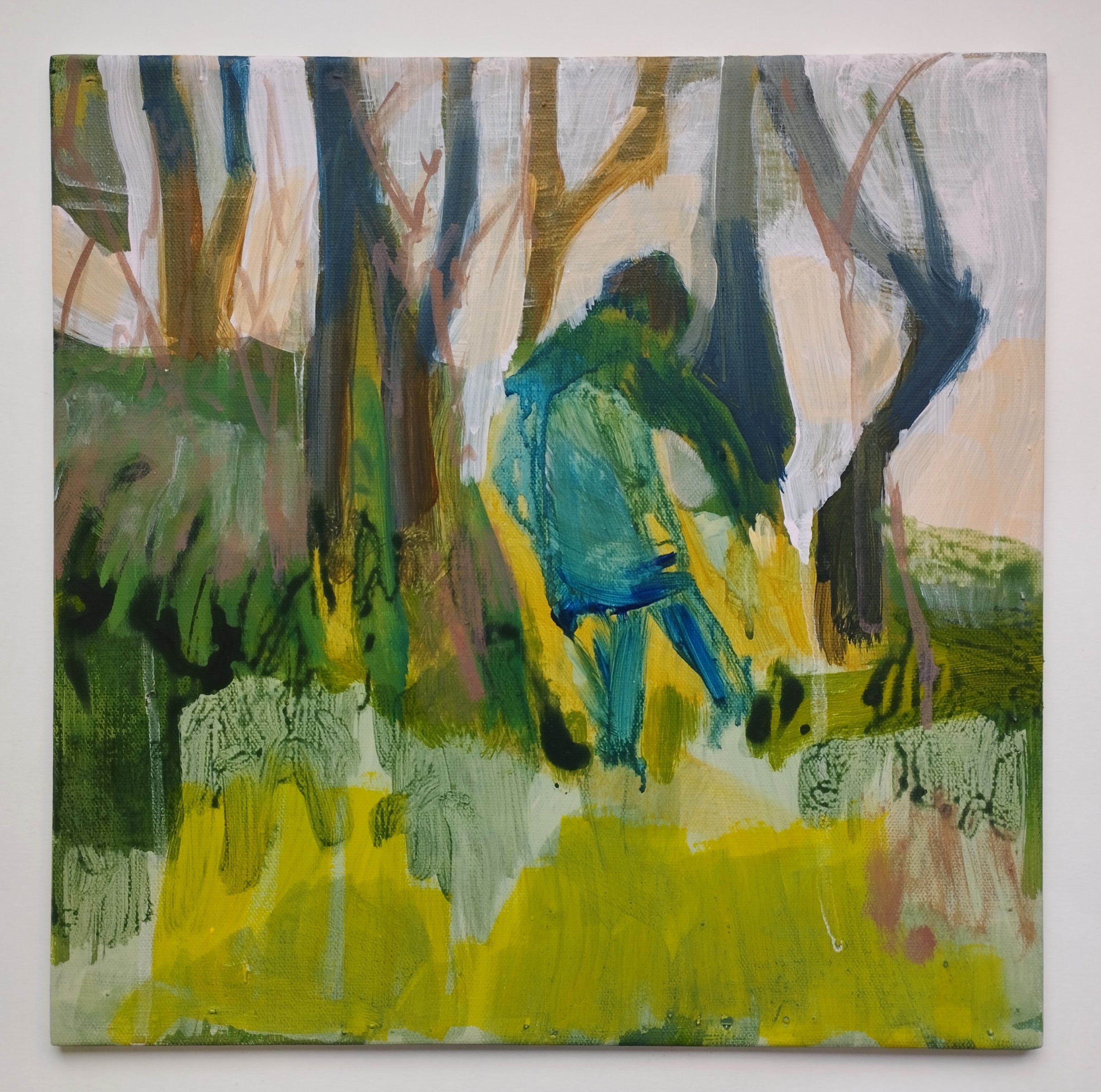
I have become very focused on painting from photographs. Photographs I have taken, which is a change because up until last year it was predominantly from my mother’s collection of photographs, taken from a large plastic bag which she had planned to throw away. I don’t know why she wanted to throw them away. I suppose she felt that the old photographs weren’t doing for her whatever old photographs are supposed to do. But instead, now I have them and, even though I am not painting from them, they are still doing for me the thing that old photographs are said to do, and I look at them often enough.
Maybe I have some sort of fetish. I don’t know, but when I look up the definition it could fall into that category. I can become very invested in word definitions. According to Merriam-Webster, fetish (c): an object of irrational reverence or obsessive devotion. Prepossession, preoccupation.
Who is the owner of the photograph, the photographer or the subject (Roland Barthes, Camera Lucida, 1980)? This question has bothered me for a while. For me, it is impossible to say. I am taking the photograph, but I am often photographing my children as the subject, and I want them to have ownership and authority over their own image, so I have this dilemma.
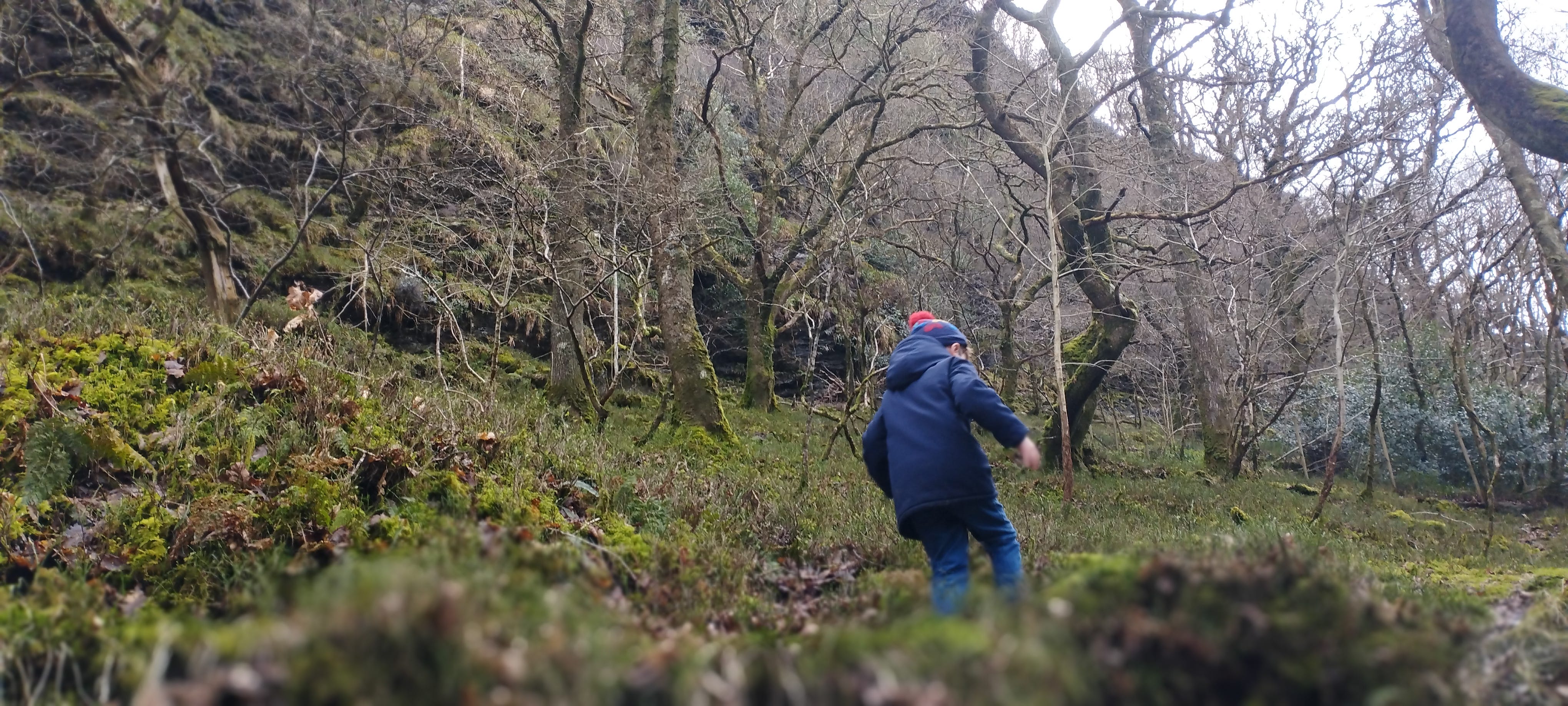
When I paint from the photographs I wonder, am I just finding ways to spend more time with the photographs? Playing with paint allows me to expend nervous energy, of which I have plenty. I love to paint, but I am not interested in making a painting technically good or in it looking exactly like the photograph. When I don’t paint from a photograph I feel lost. If it isn’t one that engages me, I am disinterested. I am starting to think that when I photograph my painting without its prompt, it also looks lost. The painting alone. It should be in conversation with its photographic pairing.
If to photograph someone is a “soft murder” (Sontag, 1977), if by taking photographs of my children I am killing them softly, what is then painting from them doing? Is it bringing them back to life? I don’t know, I am full of whimsy. Or, to revert to Barthes, maybe the act of painting allows me to take ownership of the photograph by abstracting the subject.
What if I could exhibit the paintings alongside their photographic prompts, so the viewer can let their eyes wander back and forth, from one to the other? My hope is this would allow them to question: why was it this photograph that the artist chose to paint? What was it about this record, or moment? What is the painting doing that the photograph is not, and vice versa? Why is it painted like that? Was it a deliberate choice for the painting not to fully resemble the photograph, to just hold a residue?
I feel it is quite apt to end with this question of choice, at a time when we are inundated with reels of possibilities.
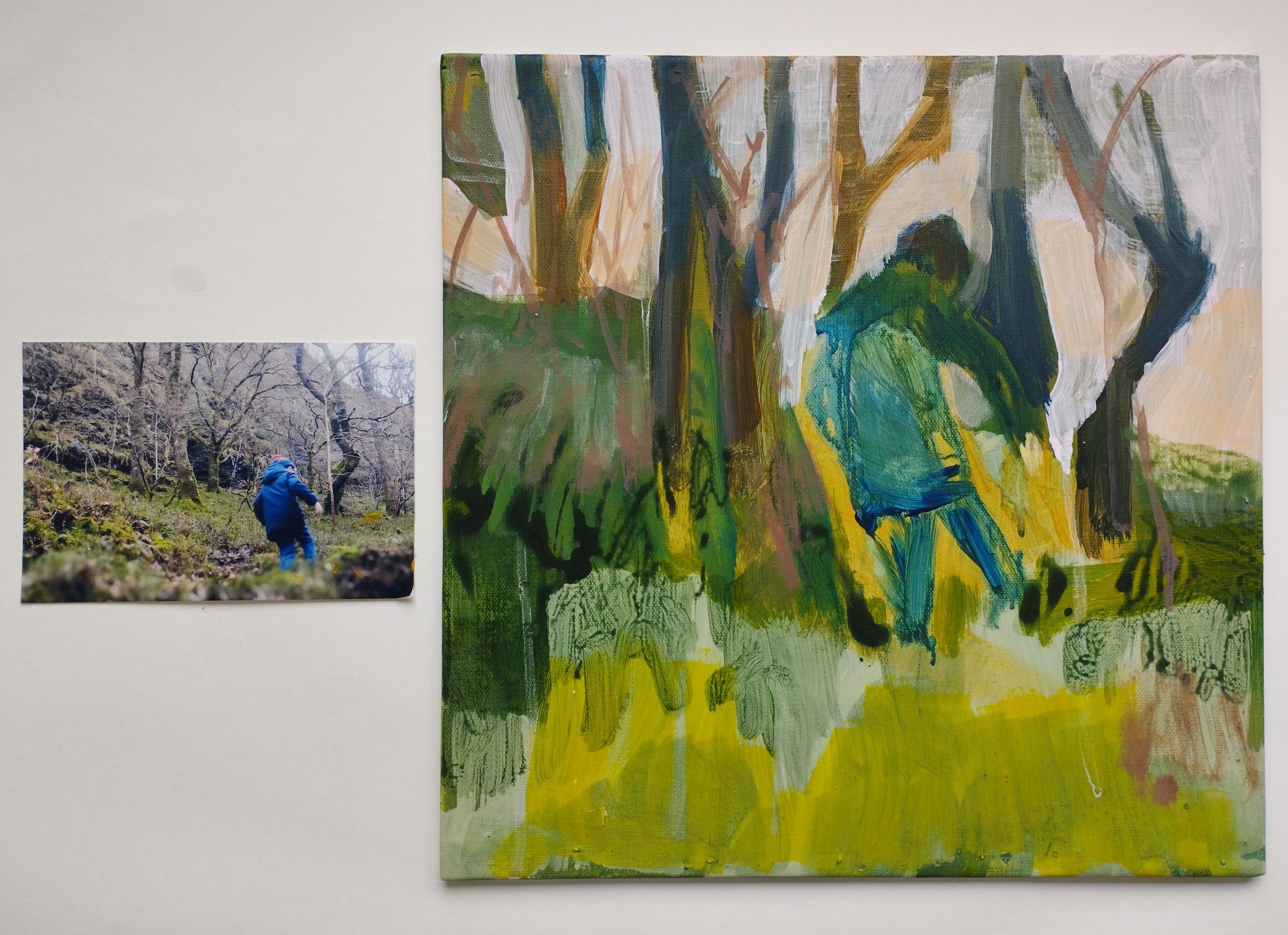
Chase, 31 × 31 cm, oil and acrylic on canvas, photographed with its photographic prompt.

 NIKKI FOSTER
Leave a reply to New Media Works Cancel reply