‘I don’t go to therapy, I Golf’
Troy in Beef, Season 2
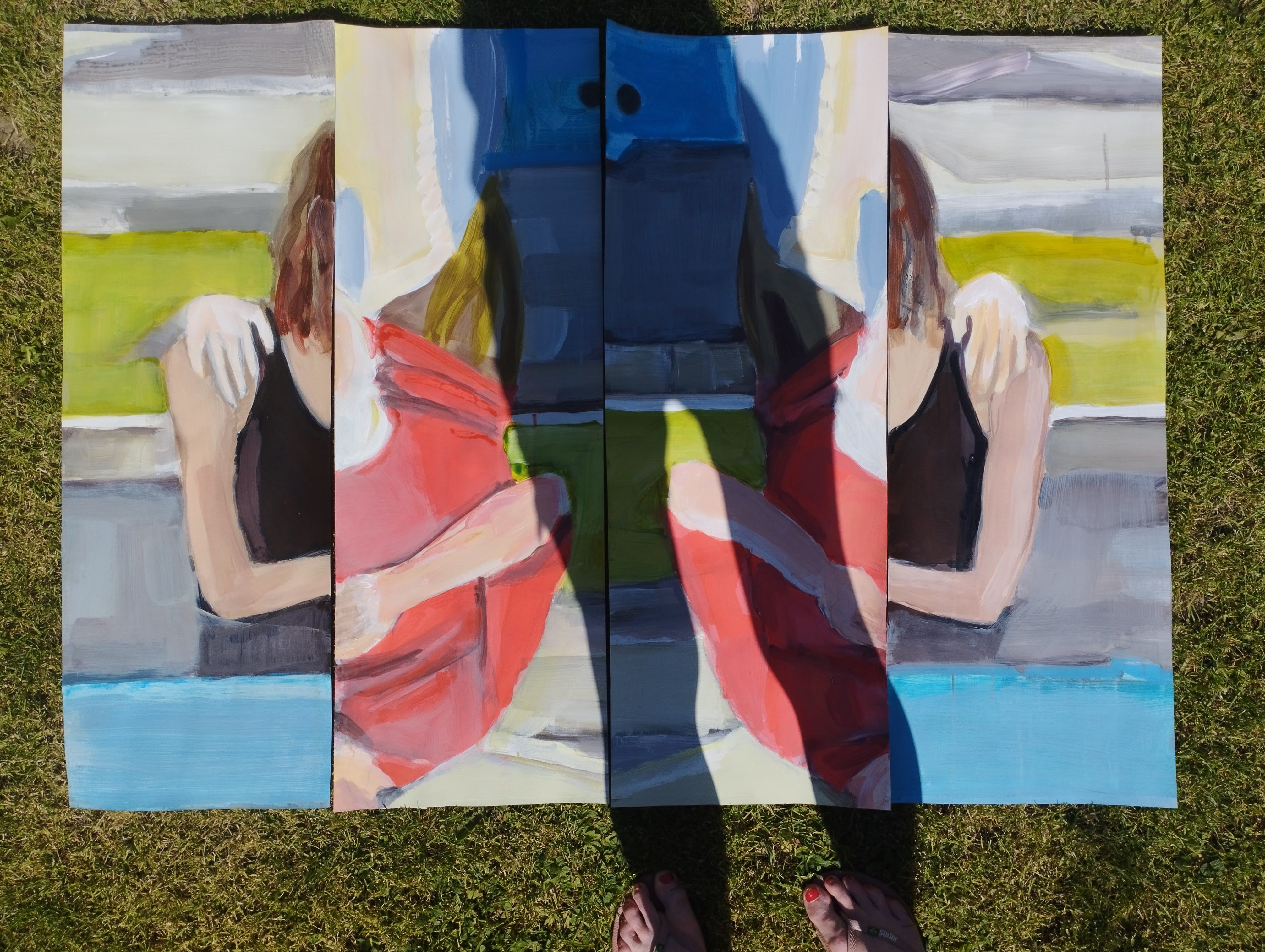
Recently, at a party, I was sat with two women, one a close friend, one a friend of my close friend. My friend was talking about her experience visiting a Lacanian psychotherapist. ‘Oh, I don’t think he got a good read on you at all,’ her friend said. She herself is a trained Lacanian psychotherapist. I assume my friend couldn’t see the psychotherapist because they are friends. I am fascinated by these conversations because I, myself, have never been to therapy, so I am intrigued. I was sent to the school counsellor once at the request of my form teacher, but after one session, I refused to go back, ignoring the ‘Miss Smith is waiting for you in the Guidance Room’ messages, but that’s another story.
I’m not against therapy, I’m sure it would be great, but it’s expensive. My sister recently told me that she was using ChatGPT for therapy. I was like: I don’t know, is that a good idea? Maybe you should trust your own judgment? She’s a big fan of Aurelius’s Meditations… But then, if the AI is helping, who am I to question her choices? Since our conversation, I have thought about trying it.
The reason I’m writing this is because I’ve been thinking about how some artists use their own personal and difficult experiences in their work. Jo Spence and Edvard Munch, both from different times and using different mediums, are two I loved at university and still do. I could keep going: Tracey Emin, Mary Kelly, Louise Bourgeois… Is it a coincidence my list is mainly women? Tracey Emin talks openly about how, if it wasn’t for art, she would be dead. Laura Footes, supported by Emin at the start of her career, and a great painter, has made a poignant series of works about her ongoing struggles with Crohn’s disease, a series I relate to after being diagnosed with Crohn’s at 14.
Have I used my own practice in a therapeutic or cathartic sense? Yes, definitely. When the painter Alexis Soul Gray announced recently on social media that she had started therapy, I was surprised. Is she not afraid she’ll lose the source of her powers, her frame of reference?
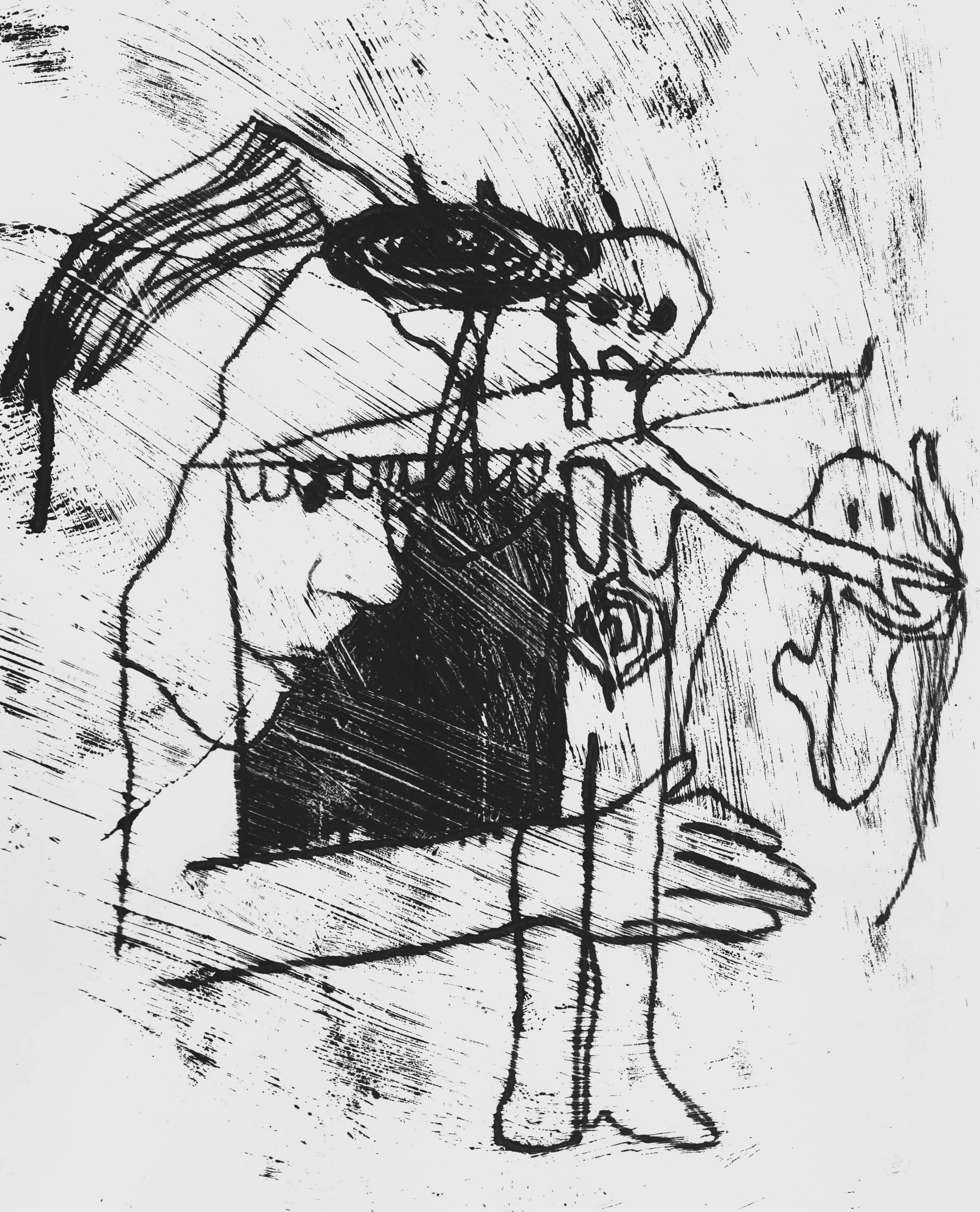
My dad, a writer and former lecturer, swears by the practice of free writing before he starts his writing proper. Two pages, he says, empties his brain of any stuff he doesn’t want to interfere with his work, and it loosens him up. I have started this practice of drawing to the side of anything I’m making, a kind of brain dump, not so much line automatism, as they often contain recognisable forms and images. I have a beautiful monograph of Munch’s where he has engaged in a similar practice, making literary-style sketches with text. Several of his larger works started life as these drawings.
Lately, I have consciously tried to pull back from making paintings in this way of mining from my own experience. Perhaps because the photographic side of my practice is doing this in a more direct and fluid way. With the paintings, I have become more interested in colour and form. I have started to warp the photographs, cutting them up, altering their intelligibility, and painting from them as a reference. Painting in this more detached way feels different, but I don’t think it needs to be black and white, a clear split. The personal content is still undoubtedly there.
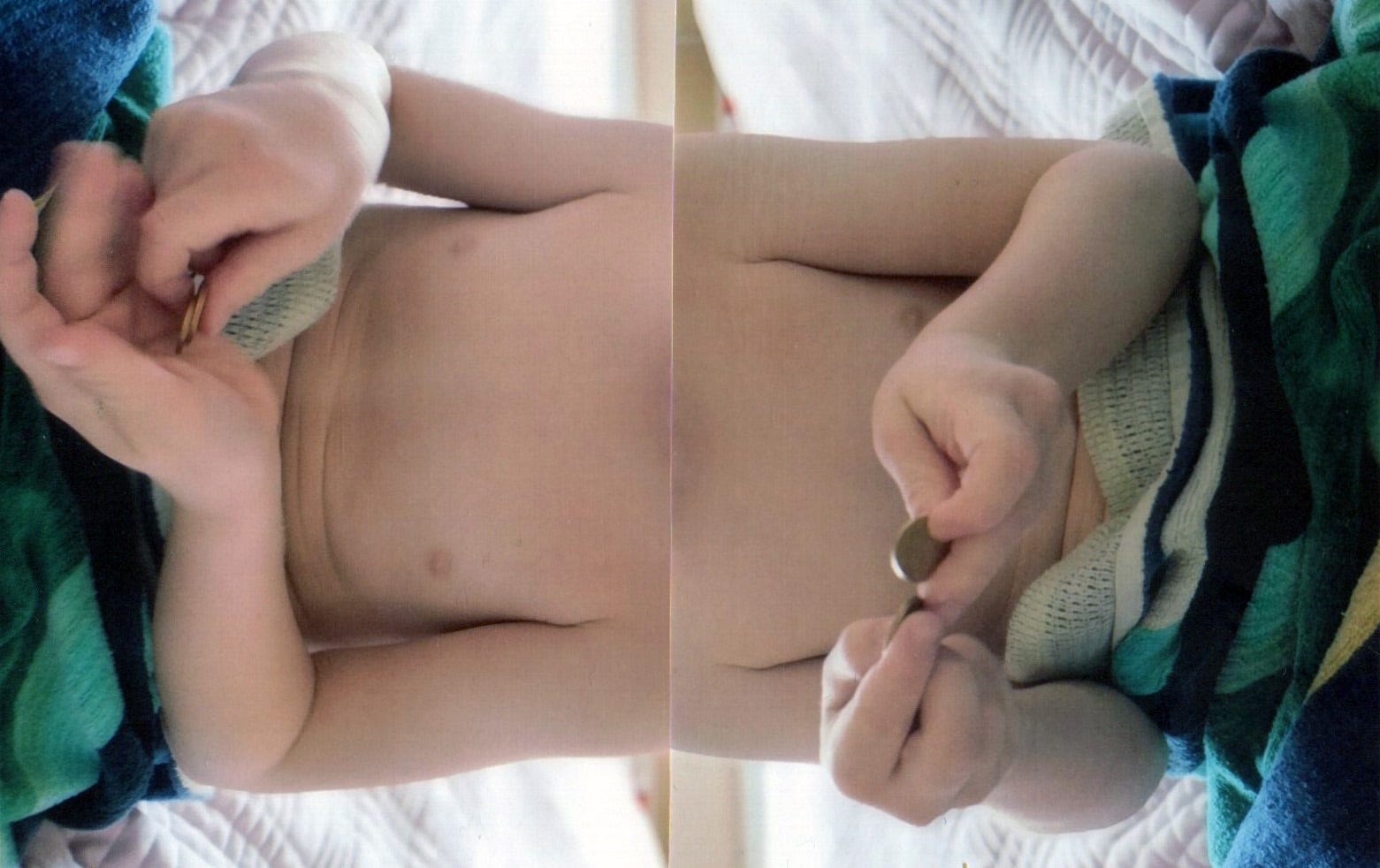
A few weeks ago, a mentor relayed a piece of Phyllida Barlow’s advice to her students: bring your work outside. Doing this transformed my experience of the work: the light, the shadows, the breeze. The painting on paper panels I have pictured is a work in progress, and if I continue to work on it outside, it will undoubtedly be different. The artist Peter Lanyon, who worked with the phenomenology of painting, often tried to express through his work how it felt to be bodily present within the landscape of Cornwall. And of course, the legendary Maria Lassnig, representing her internal world through her visceral bodily paintings.
‘When Lanyon returned to St Ives after active service in the Second World War, he fell out with most of the other artists. As the only native Cornishman among them, he saw them as incomers who did not share his interest in getting under the skin of the landscape – which he attempted literally, scrambling down mine shafts as well as soaring above them. The rift became so bitter that, according to local legend, every time he passed Nicholson’s house on the coastal path, he urinated on the gable wall.’ (The Guardian, 17 Aug 2015)
This Friday marks a hundred days of not posting my work on Instagram. I will rejoin and recoup to help promote an exhibition I am proud to be part of. It’s strange, though, to think of social media’s strategic presentations when the artist’s work contains diaristic references or stories. Does sensitive content become part of the hustle, what you sell? I have often subscribed to the personal as political, but with painting, somehow, I am reverting to the empty chair next to my school counsellor; the personal details left unsaid.
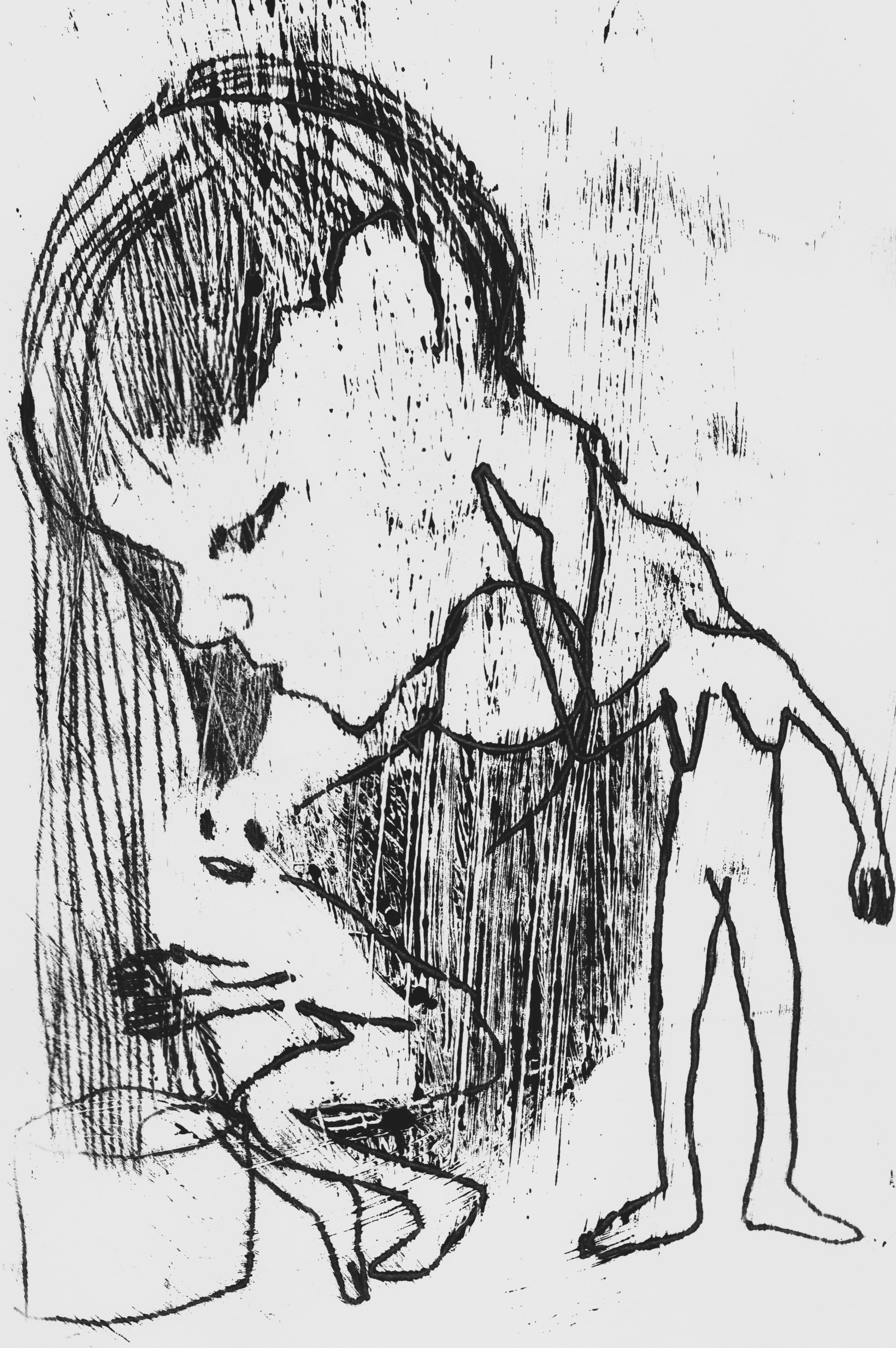
Automatic drawings as monprints


Leave a Reply